
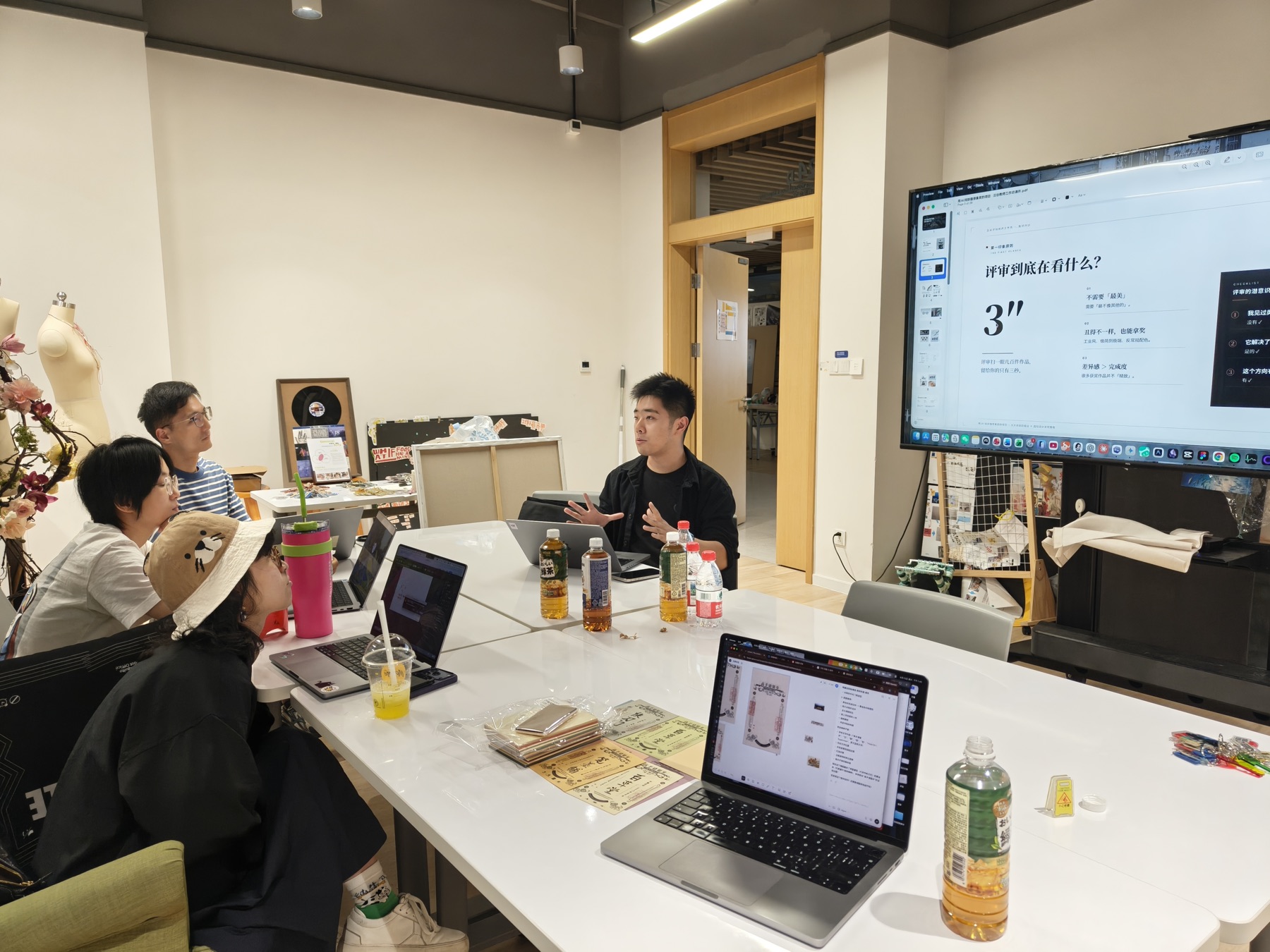
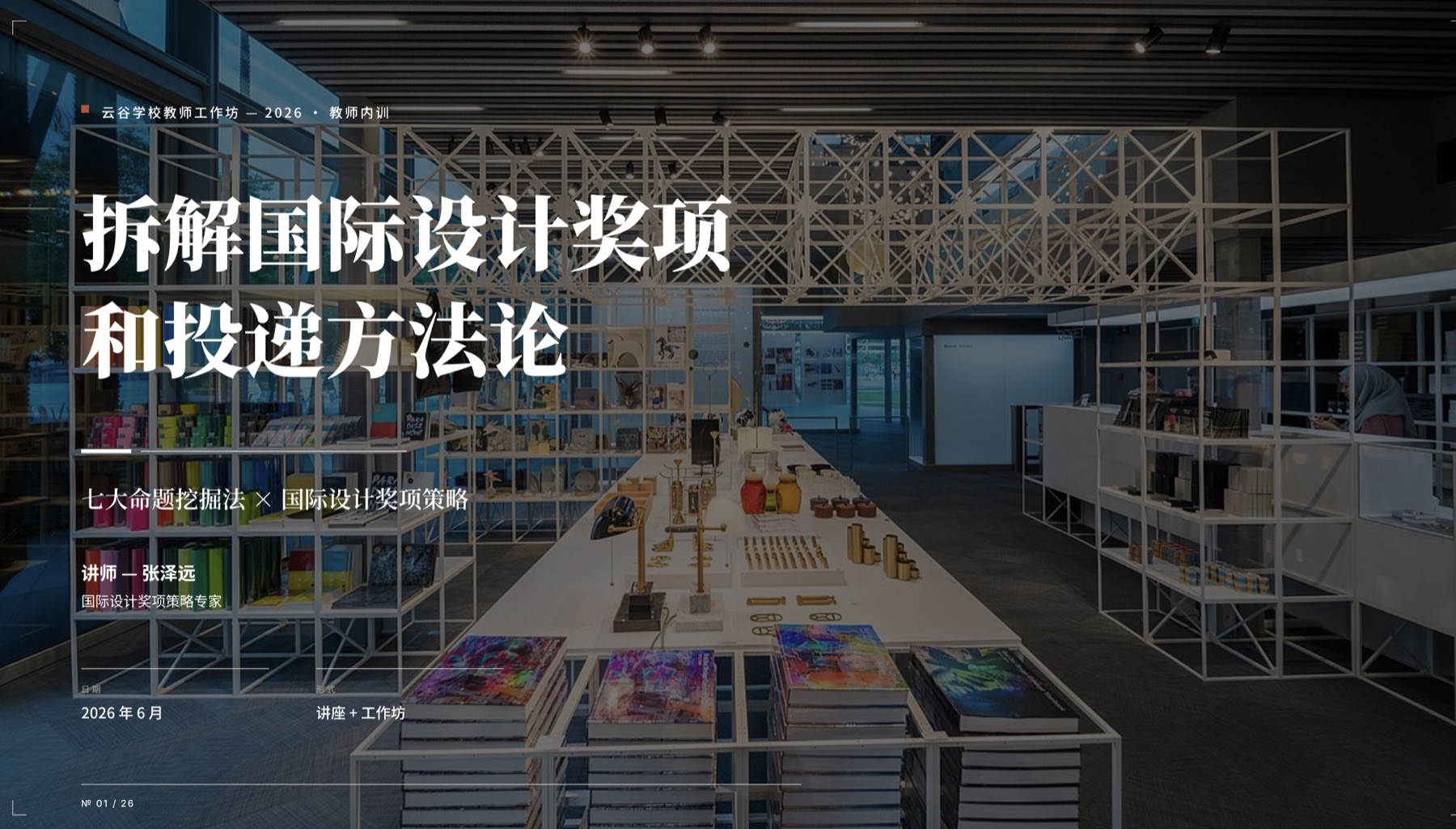
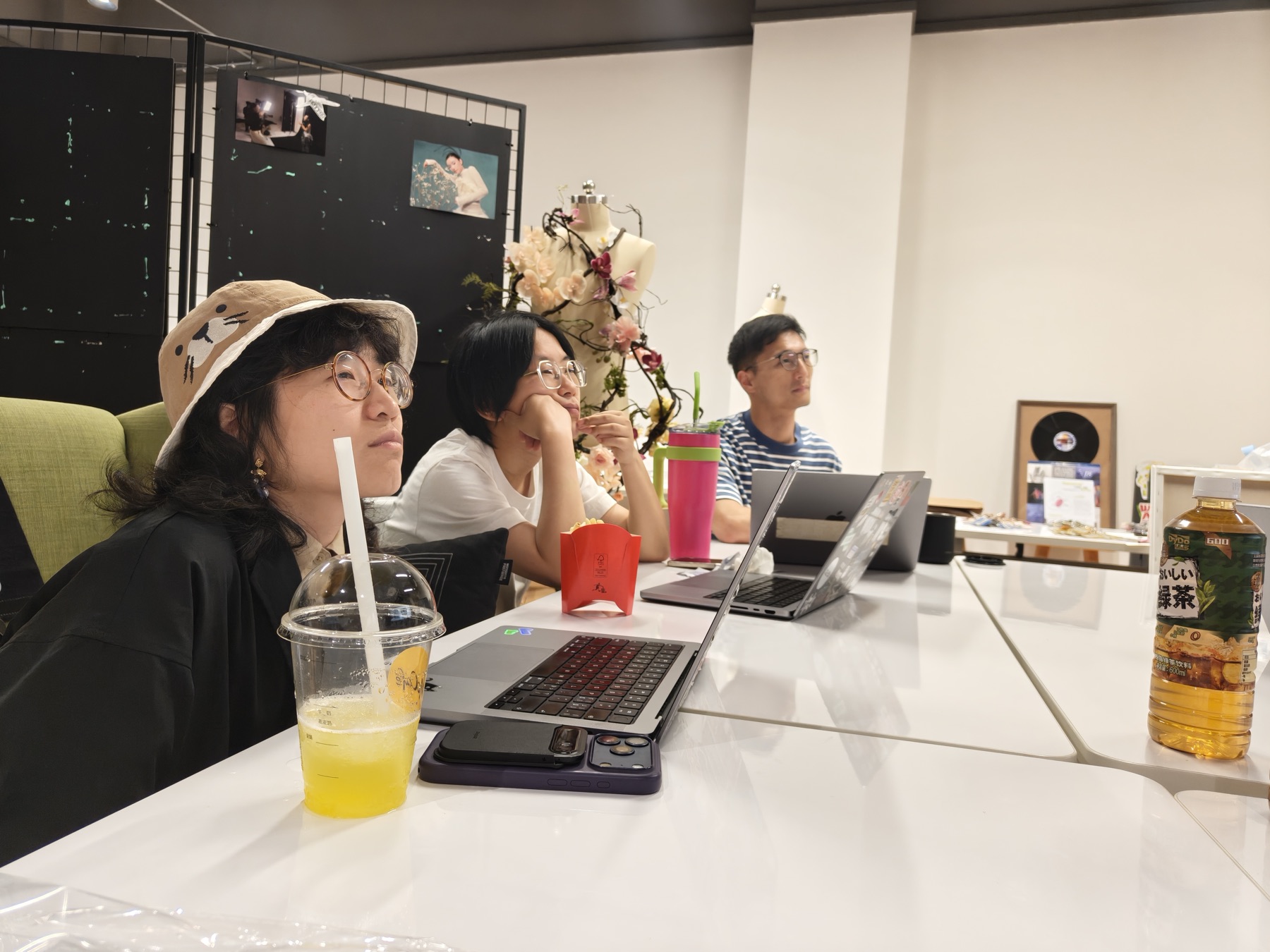
Recently, the Sino-Foreign Cooperative Design Alliance was invited to Hangzhou Yungu School for a sharing session on innovation design methodology. The discussion focused on how international design awards, design thinking and education practice can support students in discovering problems, developing ideas and turning creative concepts into works that serve real life.
Connecting awards with education
During the exchange, SFCDA shared practical methods for reading design award criteria, building project narratives, refining concepts and presenting outcomes. The session emphasized that a strong idea is not only an entry for a competition, but also a way for students to observe everyday life, respond to real needs and create value for people around them.
From methodology to award strategy
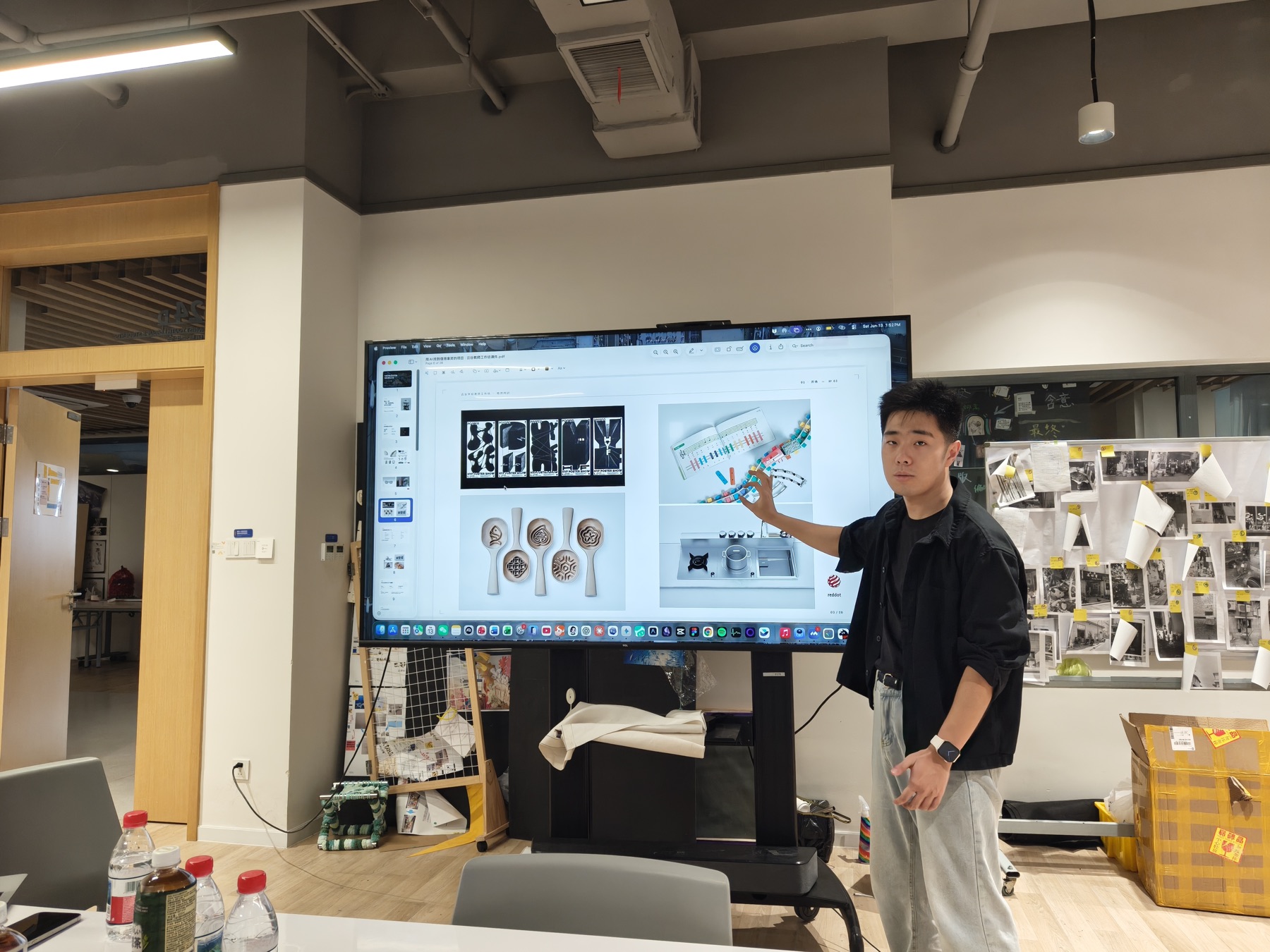
The workshop further unpacked how design methodology can be used in teaching. Students and teachers were encouraged to begin with problem discovery: observing everyday behavior, identifying friction points in campus and family life, reading cultural symbols, studying materials and processes, and connecting technology, sustainability and social value to a clear design proposition.
A key concept in the sharing was methodological transfer: a method learned in one field can be moved into another field when its underlying logic is clear. For example, user research from product design can be transferred into learning-space improvement; service design journey mapping can help students rethink campus experiences; material experiments can become a way to explore sustainability, culture and emotional expression.
For award submission, SFCDA suggested that students should not treat the award as the starting point. A stronger path is to first define the problem, then form insight, prototype, testing evidence and final storytelling. When preparing a submission, students need to clarify the category, highlight the project’s originality and completion, provide process evidence, show real-use scenarios, and explain why the work matters to people rather than only presenting visual form.
The discussion also explored how educators can guide students from curiosity to research, from research to prototyping, and from prototyping to communication. In this process, design becomes a learning approach that activates imagination, collaboration, critical thinking and social awareness.
About Hangzhou Yungu School
Hangzhou Yungu School was co-founded in 2017 by Jack Ma and Alibaba partners, according to public reports. The school covers kindergarten, primary school, middle school and high school, and is widely associated with the exploration of future-oriented education in Hangzhou.
Yungu School states its vision as “Bring out the best in every child.” Its official materials emphasize nurturing happy, healthy and independent lifelong learners with social responsibility, global citizenship and the ability to translate knowledge into creative action.
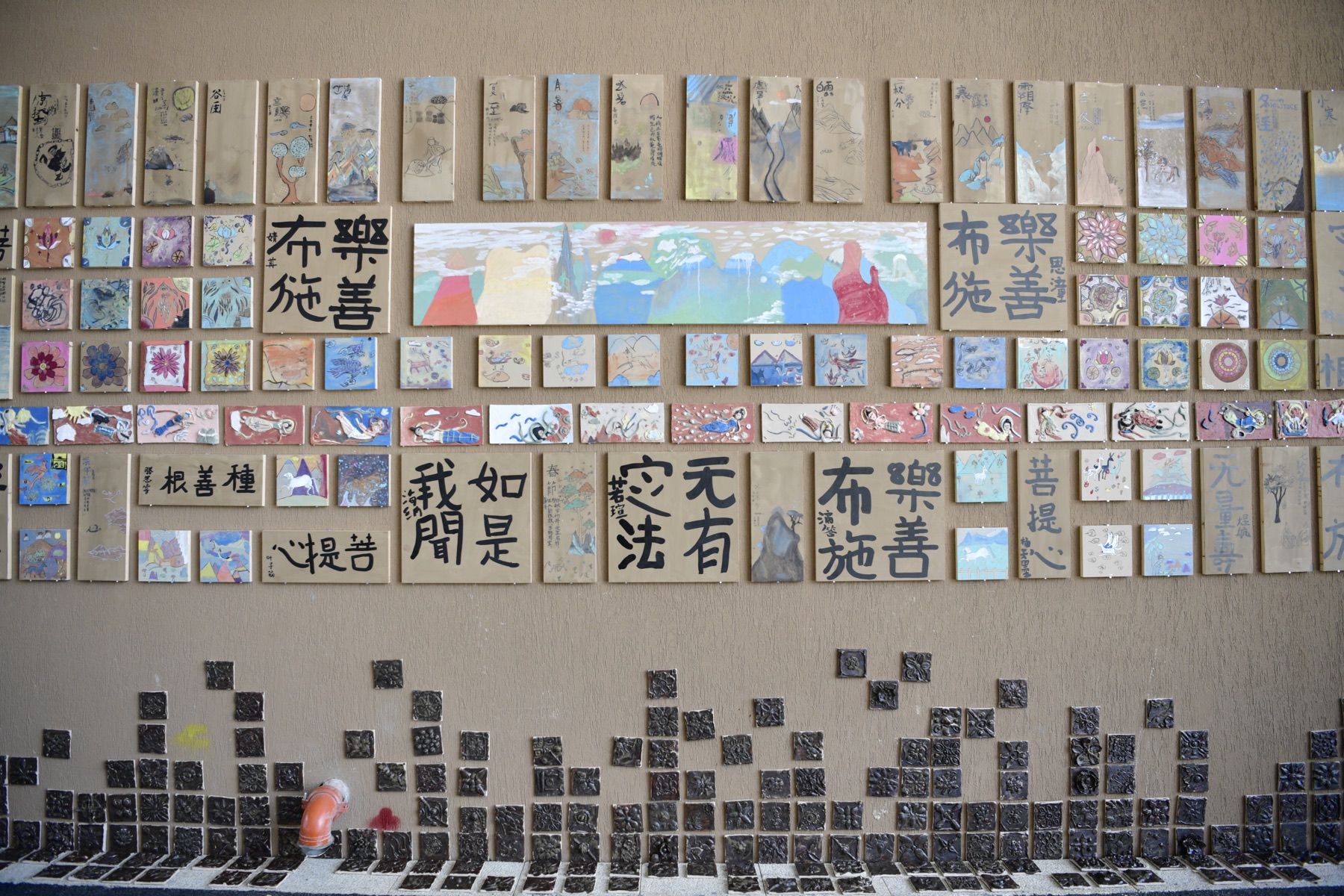
With international education resources, interdisciplinary learning and a future-facing teaching philosophy, Yungu School has continued to support students in project learning, creative practice and internationalized presentation. These efforts have helped students build broader perspectives and gain experience through competitions, exhibitions and learning outcomes.
More cooperation ahead
SFCDA will continue to work with schools and education partners to bring international design resources, award insights and project-based learning opportunities into more educational settings. Going forward, both sides look forward to exploring deeper cooperation in international education, youth design practice and creative talent development.
Official website: https://yungu.org/
近日,中外合作设计联盟应邀来到杭州云谷学校,围绕创新设计方法论、国际设计奖项与设计教育实践开展专题分享。本次交流重点讨论了如何帮助学生发现问题、启发创意思维,并将好的创意转化为能够进入生活、服务同伴与校园场景的真实作品。
以设计奖项反哺教育实践
分享中,联盟结合国际设计奖项的评审逻辑与优秀作品案例,介绍了如何理解奖项标准、梳理项目叙事、打磨创意概念,并把设计表达转化为更清晰的作品呈现。联盟强调,好的创意不只是为了参赛,更应来自对生活的观察、对真实需求的回应,以及对人的具体服务。
从方法论到投奖策略
在方法论教学部分,分享进一步拆解了设计思维如何进入课堂与项目训练。学生可以从命题挖掘开始:观察日常行为,发现校园、家庭和公共生活中的痛点;从文化符号、材料工艺、技术工具、可持续议题和社会价值中寻找切入点,再把模糊的兴趣转化为清晰的设计问题。
交流中还重点讨论了“方法迁移”的训练方式:一种方法不只服务于某一个专业方向,而是可以在不同场景之间转化。比如,产品设计中的用户研究可以迁移到校园空间改善;服务设计中的旅程地图可以帮助学生重新理解学习体验;材料实验也可以延展为关于可持续、文化表达和情感体验的创新探索。
针对国际奖项投递,联盟建议学生不要把“参赛”作为创作起点,而应先完成问题定义、洞察形成、原型验证、使用场景和作品叙事。真正有效的投奖材料,需要明确奖项类别和评审标准,呈现作品的原创性、完成度和差异化,补充过程证据、草图模型、用户反馈和真实应用场景,让评委在短时间内理解作品为什么成立、为什么有价值。
围绕学生创作成长,交流还讨论了教师如何引导学生从好奇心进入研究,从研究进入原型,从原型进入表达。设计在这一过程中不仅是一种专业能力,也是一种学习方式,能够激发想象力、协作能力、批判性思考和社会责任感。
走进杭州云谷学校
公开资料显示,杭州云谷学校由马云及阿里巴巴合伙人于2017年共同创办,覆盖幼儿园、小学、初中与高中阶段,是杭州面向未来教育探索的重要学校之一。学校与阿里巴巴长期关注的科技创新、教育创新和未来人才培养议题有紧密关联。
云谷学校提出“让每一位孩子成为最好的自己”的教育愿景。其官网材料强调,学校致力于培养具有仁爱精神、独立意志、社会担当、终身学习力和幸福感的地球公民,并鼓励学生在观察、提问和实践中,把知识、理解与技能转化为富有创造力的行动。
依托国际化教育资源、跨学科学习方式和面向未来的教学理念,云谷学校持续支持学生在项目学习、创意实践、国际化表达和竞赛展示中积累经验。过往教学成果也体现出学校在创新教育和学生综合成长方面的持续探索。
面向国际教育的更多合作
中外合作设计联盟将继续与学校及教育伙伴合作,把国际设计资源、奖项经验和项目式学习机会引入更多教育场景。未来,双方也期待在国际教育、青少年设计实践、创意人才培养等方向展开更多交流与合作。
官方网站:https://yungu.org/
Recientemente, la Alianza Sino-Extranjera de Cooperación en Diseño fue invitada a Hangzhou Yungu School para una sesión sobre metodología de diseño innovador. El intercambio abordó cómo los premios internacionales de diseño, el pensamiento de diseño y la práctica educativa pueden ayudar a los estudiantes a descubrir problemas, desarrollar ideas y convertir conceptos creativos en obras conectadas con la vida real.
Conectar premios y educación
SFCDA compartió métodos prácticos para leer criterios de premios, construir narrativas de proyecto, refinar conceptos y presentar resultados. La sesión subrayó que una buena idea no es solo una entrada para un concurso, sino una forma de observar la vida cotidiana, responder a necesidades reales y crear valor para otros.
De la metodología a la estrategia de premios
La sesión también explicó cómo la metodología de diseño puede entrar en la enseñanza. Estudiantes y docentes pueden empezar por descubrir problemas: observar comportamientos cotidianos, identificar puntos de fricción en la escuela, la familia y la vida pública, leer símbolos culturales, estudiar materiales y procesos, y conectar tecnología, sostenibilidad y valor social con una propuesta clara.
Un concepto central fue la transferencia metodológica: un método aprendido en un campo puede trasladarse a otro cuando su lógica es clara. La investigación de usuarios del diseño de producto puede aplicarse a la mejora de espacios escolares; el mapa de recorrido del diseño de servicios puede ayudar a repensar experiencias de aprendizaje; y la experimentación material puede abrir caminos hacia sostenibilidad, cultura y expresión emocional.
Para presentar proyectos a premios, SFCDA sugirió no tomar el concurso como punto de partida. Es más sólido definir primero el problema, desarrollar una observación, construir prototipos, reunir evidencia de prueba y ordenar la narrativa final. Una buena candidatura debe aclarar la categoría, mostrar originalidad y nivel de desarrollo, incluir proceso, escenarios de uso y explicar por qué el trabajo aporta valor a las personas.
La conversación también exploró cómo los docentes pueden guiar a los estudiantes desde la curiosidad hacia la investigación, desde la investigación hacia el prototipo, y desde el prototipo hacia la comunicación. En este proceso, el diseño activa imaginación, colaboración, pensamiento crítico y conciencia social.
Sobre Hangzhou Yungu School
Según información pública, Hangzhou Yungu School fue cofundada en 2017 por Jack Ma y socios de Alibaba. La escuela cubre jardín de infancia, primaria, secundaria y bachillerato, y se asocia ampliamente con la exploración de una educación orientada al futuro en Hangzhou.
La visión de Yungu School es “Bring out the best in every child”. Sus materiales oficiales enfatizan el desarrollo de estudiantes felices, sanos, independientes, con aprendizaje permanente, responsabilidad social, ciudadanía global y capacidad de convertir el conocimiento en acción creativa.
Con recursos educativos internacionales, aprendizaje interdisciplinario y una filosofía orientada al futuro, Yungu School apoya a los estudiantes en proyectos, práctica creativa y presentaciones internacionalizadas, acumulando experiencia mediante concursos, exposiciones y resultados de aprendizaje.
Más cooperación futura
SFCDA seguirá colaborando con escuelas y socios educativos para llevar recursos internacionales de diseño, experiencias de premios y oportunidades de aprendizaje por proyectos a más contextos educativos. Ambas partes esperan explorar una cooperación más profunda en educación internacional, práctica de diseño juvenil y desarrollo de talento creativo.
Sitio oficial: https://yungu.org/
このほど、中外合作デザイン連盟は杭州雲谷学校に招かれ、イノベーションデザインの方法論に関する共有会を行いました。国際デザイン賞、デザイン思考、教育実践を通じて、学生が課題を発見し、アイデアを育て、創造的な構想を日常生活に結びつく作品へ発展させる方法について意見交換しました。
アワードと教育をつなぐ
SFCDAは、デザイン賞の審査基準の読み解き、プロジェクトの物語づくり、コンセプトの精緻化、成果発表の方法を紹介しました。優れたアイデアはコンペティションのためだけでなく、日常生活を観察し、実際のニーズに応え、周囲の人々に価値を届けるための入口でもあります。
方法論からアワード戦略へ
共有会では、デザイン方法論を授業やプロジェクト学習にどう取り入れるかも扱いました。学生は、日常行動の観察、学校や家庭、公共生活にある不便の発見、文化的記号、素材と工程、技術、サステナビリティ、社会的価値などを手がかりに、漠然とした関心を明確なデザイン課題へ変えていきます。
重要な考え方として、方法の転用も紹介されました。ある分野で学んだ方法は、その本質的なロジックを理解すれば別の場面にも移せます。プロダクトデザインのユーザーリサーチは学校空間の改善に、サービスデザインのジャーニーマップは学習体験の見直しに、素材実験はサステナビリティや文化表現、感情体験の探究につながります。
アワード応募については、コンペティションを創作の出発点にするのではなく、課題設定、洞察、プロトタイプ、検証の証拠、最終的なストーリーを順に整えることが重要だと共有しました。応募資料では、カテゴリー、独自性、完成度、プロセス、使用場面を明確にし、作品が人にとってなぜ価値を持つのかを短時間で伝える必要があります。
また、教師が学生を好奇心からリサーチへ、リサーチからプロトタイプへ、プロトタイプから発信へ導く方法についても議論しました。この過程で、デザインは想像力、協働、批判的思考、社会意識を引き出す学びの方法となります。
杭州雲谷学校について
公開資料によると、杭州雲谷学校は2017年、ジャック・マー氏とアリババのパートナーによって共同創設されました。幼稚園、小学校、中学校、高校を含む学校であり、杭州における未来志向の教育探索と広く結びついています。
雲谷学校は「Bring out the best in every child」をビジョンに掲げています。公式資料では、幸福で健康、独立した生涯学習者、社会的責任感とグローバル市民意識を持ち、知識を創造的な行動へ変える力を育てることが強調されています。
国際的な教育資源、分野横断的な学び、未来志向の教育理念を基盤に、雲谷学校はプロジェクト学習、創造的実践、国際的な発表の機会を支援し、学生がコンペティション、展示、学習成果を通じて経験を重ねることを後押ししています。
今後の協力に向けて
SFCDAは今後も学校や教育パートナーと協力し、国際デザイン資源、アワードの知見、プロジェクト型学習の機会をより多くの教育現場へ届けていきます。双方は、国際教育、若者のデザイン実践、創造的人材育成の分野で、さらなる交流と協力を模索していきます。
公式サイト:https://yungu.org/